Manitoba Income Tax 2025: Brackets, Calculator, and Real Take-Home Pay
TaxCalc Canada Editorial
Published May 8, 2025 · Rates verified against Manitoba Finance
Manitoba has three provincial income tax brackets, a $15,780 basic personal amount, and a 7% PST. For most middle-income earners in Winnipeg, the combined federal and provincial tax burden lands somewhere between Alberta and Ontario. This guide runs the actual numbers.
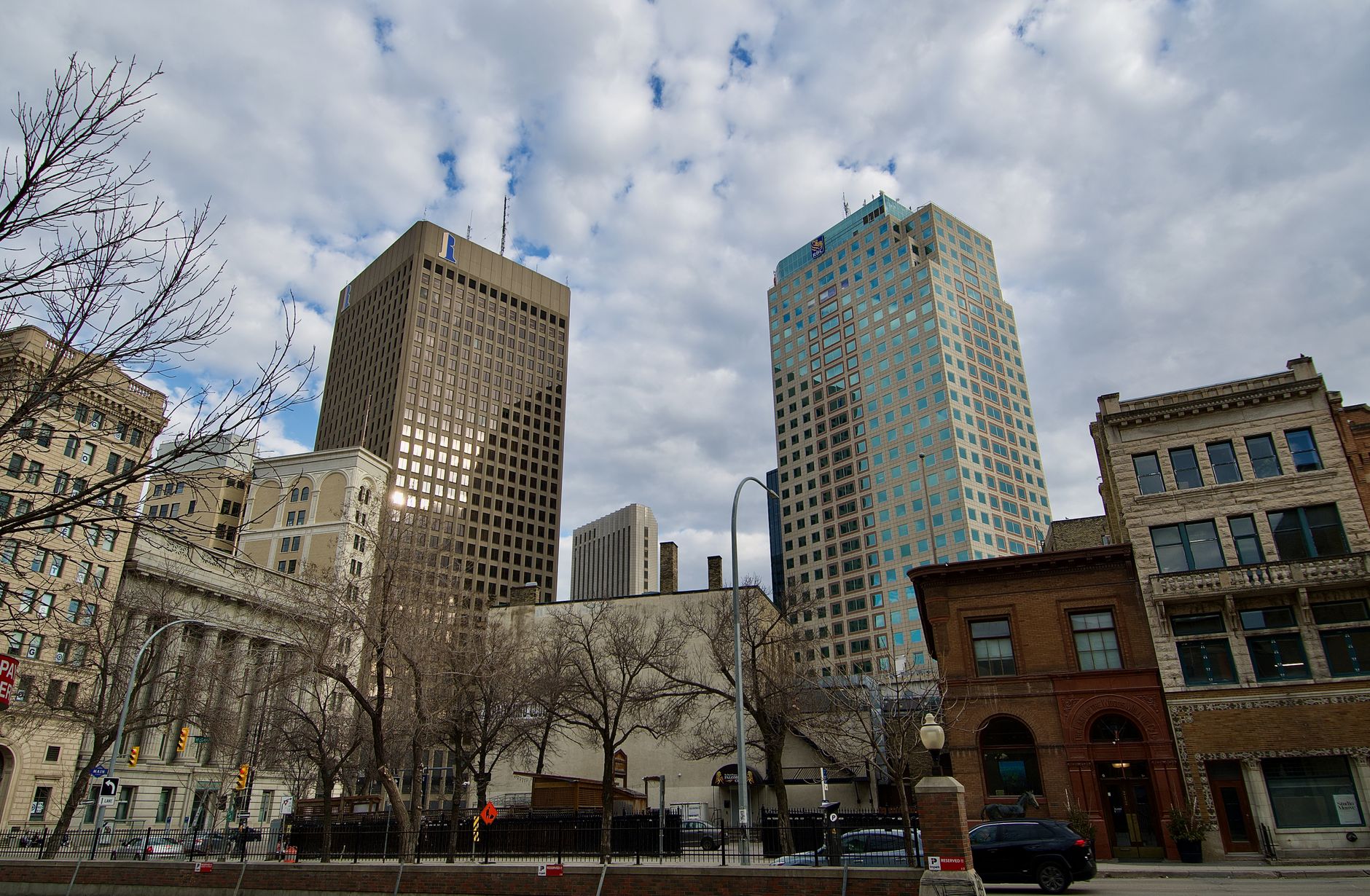
Manitoba doesn't attract much attention in Canadian tax discussions — it's neither the low-tax haven (Alberta) nor the high-tax cautionary tale (Nova Scotia). It's a middle-of-the-road province with straightforward brackets and a reasonably generous basic personal amount. For the majority of Manitoba workers earning $40,000–$90,000, the tax math is relatively predictable.
Quick Answer
Manitoba 2025 provincial tax brackets: 10.8% on the first $47,000; 12.75% on $47,000–$100,000; 17.4% above $100,000. The basic personal amount is $15,780. On a $70,000 salary, net take-home in Manitoba is approximately $52,600/year after all deductions.
Manitoba 2025 Tax Brackets
Manitoba has three provincial income tax brackets. These apply on top of the five federal brackets, giving Manitoba residents a combined rate that rises from 25.8% at low incomes to 50.4% at the top.
| Taxable Income | Manitoba Rate | Combined Rate |
|---|---|---|
| $0 – $47,000 | 10.8% | 25.8% |
| $47,000 – $100,000 | 12.75% | 32.75% |
| $100,000 – and over | 17.4% | 50.4% |
Combined rates include 2025 federal rates. Source: Manitoba Finance — Personal Income Tax

The $15,780 Basic Personal Amount
Manitoba's basic personal amount is $15,780 — the amount of income exempt from Manitoba provincial tax. This is higher than Ontario's $11,865 and Nova Scotia's $8,481, meaning Manitoba residents shield more of their income from provincial tax at the base.
Manitoba has been increasing its BPA deliberately. The province committed in 2019 to raise the BPA to $15,000 by 2020, and has continued adjusting it annually. This is one of the more significant income tax benefits for lower-income Manitoba workers.
On a $40,000 salary in Manitoba, the $15,780 BPA means you pay provincial tax on roughly $24,220 of income. The effective Manitoba provincial tax rate at $40,000 is approximately 5.5% — despite the 10.8% statutory rate applying to the first bracket.

Take-Home Pay Examples
Below are approximate net salaries for common income levels in Manitoba (2025, single person, standard deductions only).
| Gross Salary | Net (Manitoba, 2025) | Effective Rate | Monthly Net |
|---|---|---|---|
| $40,000 | ~$31,800 | 20.5% | ~$2,650/mo |
| $55,000 | ~$42,400 | 22.9% | ~$3,533/mo |
| $70,000 | ~$52,600 | 24.9% | ~$4,383/mo |
| $90,000 | ~$65,000 | 27.8% | ~$5,417/mo |
| $120,000 | ~$83,100 | 30.8% | ~$6,925/mo |
Calculate your exact Manitoba take-home pay
Select Manitoba in the calculator — it applies the correct provincial brackets, BPA, CPP, and EI automatically.
Open the Free Calculator
How to Calculate Your Manitoba Tax
You can calculate your Manitoba provincial tax manually in four steps:
- Calculate taxable income: Gross employment income minus RRSP contributions, union dues, and other deductions.
- Subtract the BPA: Apply the $15,780 Manitoba basic personal amount. This reduces taxable income before applying brackets.
- Apply Manitoba brackets: 10.8% on the first $47,000; 12.75% on the next $53,000; 17.4% on anything above $100,000.
- Add federal tax: Calculate federal brackets separately (15%–33%) minus the federal BPA ($16,129), then add federal and Manitoba amounts together. Then add CPP and EI contributions.
For a step-by-step explanation of the federal side, see the salary after tax guide which walks through a full Ontario example that translates directly to Manitoba with different provincial numbers.
Manitoba vs Saskatchewan & Ontario
How does Manitoba stack up against its neighbours? Below is a net-pay comparison at $70,000 gross salary across three prairie/central Canadian provinces.
| Province | Prov. BPA | Net at $70K | Sales Tax |
|---|---|---|---|
| Alberta | $21,798 | ~$56,200 | No PST (GST only) |
| Saskatchewan | $17,661 | ~$53,800 | 6% PST + 5% GST |
| Manitoba | $15,780 | ~$52,600 | 7% PST + 5% GST |
| Ontario | $11,865 | ~$53,900 | 8% PST via HST |
Manitoba and Ontario produce similar net salaries at $70,000 despite Manitoba's higher starting rate — because Manitoba's BPA is $3,915 higher, partially offsetting the rate difference at this income level. Alberta's advantage is clear and consistent across income levels.
PST and Total Tax Burden
Manitoba's 7% PST applies to most goods and services not covered by federal GST exemptions. Combined with the 5% federal GST, Manitoba residents pay 12% on most purchases — one percentage point above Ontario's equivalent (13% HST).
Notable Manitoba PST exemptions include basic groceries, prescription drugs, and children's clothing. The province administers PST independently from the federal GST — there is no HST framework — so businesses and employers manage two separate filings.
For a Winnipeg resident spending $35,000/year on taxable goods and services, the PST bill is approximately $2,450/year. This is a meaningful addition to the income tax burden but is not unique to Manitoba — Saskatchewan, Ontario, and the Atlantic provinces all have comparable or higher consumption taxes.
Frequently Asked Questions
What are the Manitoba provincial income tax brackets for 2025?
Manitoba has three provincial income tax brackets in 2025: 10.8% on the first $47,000 of taxable income; 12.75% on income between $47,000 and $100,000; and 17.4% on income above $100,000. The Manitoba basic personal amount is $15,780.
How much income tax do I pay in Manitoba on a $70,000 salary?
On a $70,000 gross salary in Manitoba, your approximate total take-home pay is $52,600/year (about $4,383/month) after federal and Manitoba provincial income tax, CPP contributions, and EI premiums. The effective total deduction rate is approximately 24.9%.
Is Manitoba a high-tax province in Canada?
Manitoba sits in the middle of the Canadian provincial tax spectrum. Its starting rate of 10.8% is higher than Ontario (5.05%) and Alberta (10%), but its top rate of 17.4% is lower than Nova Scotia (21%) and Quebec (25.75%). For middle incomes ($50,000–$90,000), Manitoba's effective tax rate is broadly similar to Ontario's.
What is the basic personal amount in Manitoba for 2025?
Manitoba's basic personal amount (BPA) is $15,780 for 2025. This means the first $15,780 of your income is exempt from Manitoba provincial tax. The province has been increasing its BPA annually — it was $10,145 in 2020 — as part of a commitment to reduce tax on lower incomes.
Does Manitoba have a provincial sales tax?
Yes. Manitoba has a Provincial Sales Tax (PST) of 7%, separate from the federal GST (5%). Total consumption tax on most goods in Manitoba is 12%, compared to 15% HST in the Atlantic provinces. Manitoba does not participate in the HST framework — it administers its own PST independently.
What is the average salary in Manitoba?
The average employment income in Manitoba is approximately $58,400/year (Statistics Canada, 2024). Winnipeg, where roughly 60% of Manitoba's population lives, has a higher average of around $62,000–$65,000. Healthcare, government, and education are the largest employment sectors by number of workers.
How does Manitoba's tax compare to Saskatchewan?
Manitoba and Saskatchewan have similar income levels but different tax structures. Saskatchewan's provincial rates are 10.5% / 12.5% / 14.5% — lower than Manitoba at higher incomes. For a $100,000 earner, Saskatchewan saves approximately $2,900/year in provincial tax vs. Manitoba. Saskatchewan also has a lower PST (6% vs. Manitoba's 7%).
TaxCalc Canada Editorial Team
We research Canadian tax rules so you don't have to read the CRA website at midnight. All rates are verified against official CRA schedules and provincial finance departments before publishing.